

Project Overview
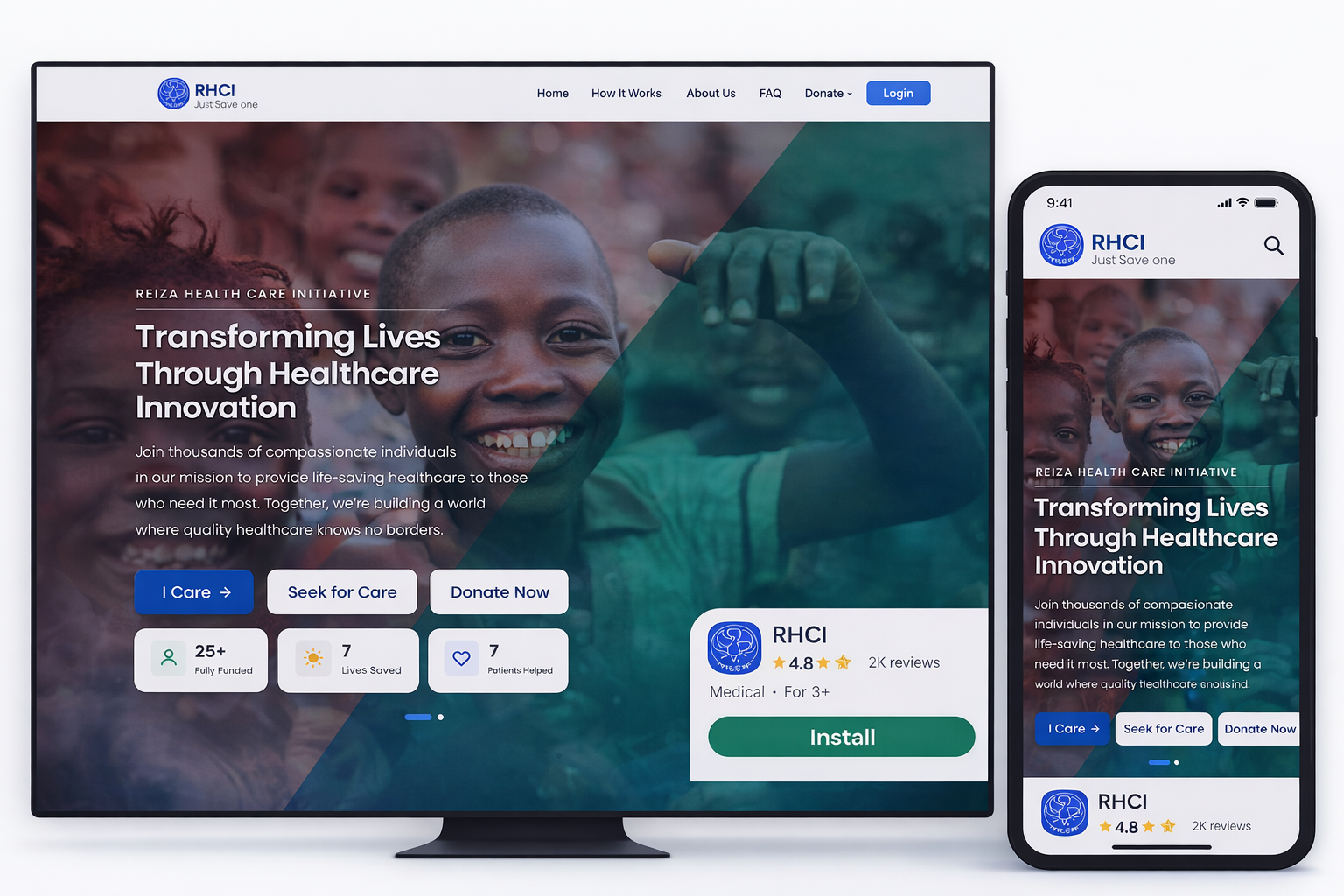
CareLink Health Providers is a comprehensive digital healthcare platform that empowers hospitals, clinics, doctors, and healthcare organizations to deliver quality care through modern digital technologies. The platform enables healthcare providers to manage patient care, conduct virtual consultations, monitor chronic conditions remotely, and maintain continuous communication with patients.
By bridging the gap between healthcare facilities and patients, CareLink supports better healthcare accessibility, improved patient engagement, and more efficient clinical workflows, helping providers deliver patient-centered care regardless of location.
The Challenge
Healthcare providers often face challenges in delivering continuous care to patients, particularly those living with chronic conditions such as diabetes, hypertension, and heart disease. Traditional healthcare systems rely heavily on physical visits, making it difficult to monitor patients between appointments.
Our Solution
CareLink Health Providers was developed to enable healthcare organizations to deliver proactive and connected healthcare services through a secure digital platform.
The platform provides:
- Remote patient monitoring capabilities for chronic disease management.
- Real-time health data collection and visualization.
- Secure communication channels between patients and healthcare professionals.
- Telemedicine and virtual consultation functionality.
- Appointment scheduling and follow-up management tools.
- Centralized patient records and clinical information.
- Automated alerts and notifications for critical health events.
By digitizing healthcare interactions and providing real-time access to patient information, CareLink enables healthcare providers to make informed decisions faster and improve continuity of care.
Results & Impact
The implementation of CareLink Health Providers has delivered measurable improvements in healthcare service delivery:
- Improved patient engagement and adherence to treatment plans.
- Enhanced continuity of care through remote monitoring and follow-ups.
- Faster response to patient health concerns through real-time alerts.
- Reduced unnecessary hospital visits and operational burden.
- Increased accessibility of healthcare services for remote communities.
- Improved communication between healthcare providers and patients.
- Better clinical decision-making through access to real-time patient data.
- A scalable digital health infrastructure capable of supporting healthcare organizations of all sizes.